 Chat Now

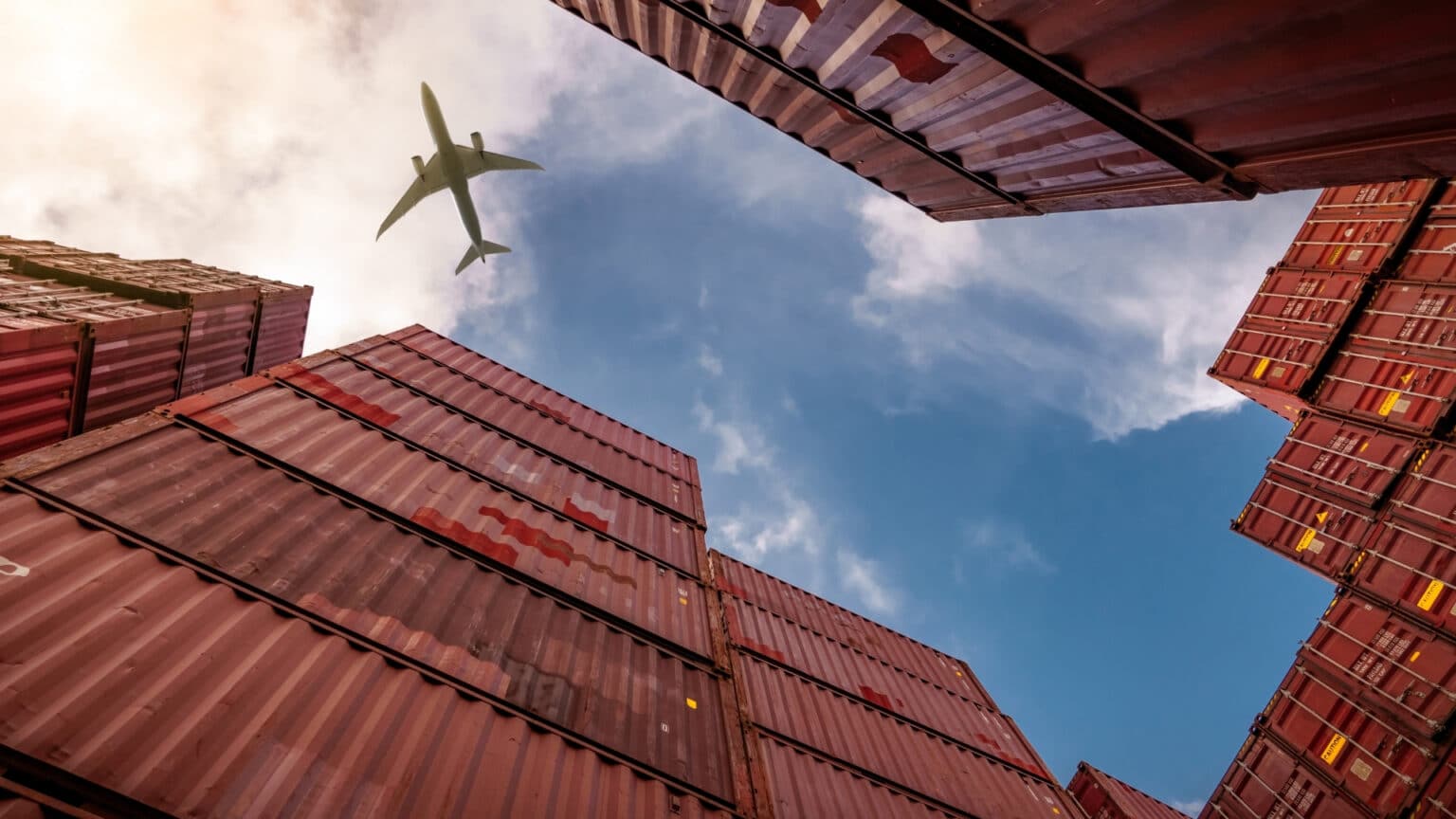
Are supply chain disruptions our new normal in global logistics? Global supply chains have become increasingly interconnected in recent years, making them more susceptible to breakdowns and disruptions that can cause ripple effects throughout the entire supply chain, without timely freight risk management strategies.
As a freight forwarding business, disruptions in the supply chain can have severe impacts on your business if you’re not prepared. The industry has become inherently unpredictable; however, you can still mitigate risks to your organization and its customers.
Keep reading to learn more about five common yet unpredictable business disruptions to your freight forwarding business.
#1. Natural disasters. Can you weather the storm?
Our global climate is changing every year. Natural disasters and weather events, such as hurricanes, wildfires, floods, earthquakes, and tsunamis, are occurring with increased frequency or severity. For example, the July 2025 earthquake in Russia sent tsunami waves and warnings throughout the Pacific coastal areas of Asia, Canada, and the US.
These natural disasters can occur at any time, causing temporary or long-term disruptions to rail lines, airports, seaports, and other transportation systems. Disaster recovery may include repairing damaged infrastructure or restoring access to facilities like shipping yards or sea ports. Without remediation, they can delay shipments, prompting freight forwarders to act quickly to divert shipments and minimize delays.
To mitigate risk, it is helpful to monitor your active shipments for potential delays. When an unexpected weather event closes your route, have back-up routes available if the delay is expected to be longer than your service expectations.
#2. Geopolitical instability, Trade wars, and border regulations
The political climate has caused many disruptions to global trade and shipping. The Russia-Ukraine conflict and recent tariffs and trade sanctions have altered how freight forwarders transport goods from point A to delivery. Especially in the past year, geopolitical and customs changes have come fast and furious, making it difficult for many logistics companies to keep up.
These border changes don’t often come with much advance warning. They disrupt your traditional shipping routes and port access. They may also require you or your customers to submit additional customs documentation or paperwork and pay additional tariffs or taxes on shipments. These challenges are amplified by currency fluctuations, further complicating global logistics.
To mitigate the risk of geopolitical challenges in logistics, consider joining a niche networking group to stay up-to-date on global developments that may impact your shipping routes and region.
#3. Regulatory changes. Are you staying compliant?
Failure to follow compliance and customs regulations in every region where you operate can increase your costs and delay shipments until you’re in compliance. Whether it’s updated environmental regulations, changes to container weight limits, mandatory driver rest stops, or other compulsory paperwork, you must stay compliant or risk delays in shipments, fines, or rejected containers.
Some regulatory changes can be anticipated. To mitigate the risks of regulatory changes on your routes, stay connected with other industry professionals through a professional networking association. Create agile processes and systems that can respond quickly when these changes impact your business.
#4. Pandemics and health emergencies
The world was taken aback when the COVID-19 pandemic struck the world’s people and economy in 2020. Closed international borders, travel restrictions, increased health protocols, inventory shortages, and the widespread uncertainty caused many supply chains to break down. Over time, they developed new systems and processes to address the challenges in the supply chain and logistics industry.
To mitigate challenges of future pandemics or health emergencies, your freight forwarding business should have redundancies in business processes and back-up shipping modes and routes. Building a resilient network will help you weather a future health emergency.
#5. Ripple effects: Disruption beyond the port
Sometimes, delays and challenges in shipping are upstream or downstream. For example, manufacturers may struggle to produce enough inventory to meet demand or produce too much inventory, which exceeds their warehouse capacity. There may be a shortage of certain raw materials (like semiconductors, wood, or other raw materials), affecting manufacturing.
There isn’t much you can do to prevent disruptions before and after your role in the supply chain. All you can do is prepare for potential cash flow disruptions should they occur. A niche networking group can provide a multi-sector perspective, encompassing areas such as warehouses, customs, and shipping, to develop risk management plans together.
How you can build supply chain resilience
The best strategy for freight risk management is to build up your supply chain resistance. Build resistance by:
- Developing proactive contingency plans that incorporate diverse carrier networks
- Invest in real-time tracking tools (to identify delays in real time so you can react)
- Get visibility into the whole supply chain for your customers
- Develop strong relationships with alternate suppliers, carriers, and custom brokers
- Adopt digital tools to enhance internal communication, customer interactions, and collaboration with other supply chain members.
Your business relationships will be your most important tool in building supply chain resilience. Being an active member of a niche business networking association can help you meet trusted service providers, get recommended logistics tool suggestions, and brainstorm strategies that benefit all.
How will you prepare for the unpredictable
The unpredictability of global logistics can have a huge, negative impact on your business. However, you can take steps to prepare for these unpredictable events, such as supply chain disruptions. Collaboration will be the key to overcoming these challenges.
Recent years have demonstrated the rapid pace of change in global logistics. Whether it’s environmental disasters, economic disruptions, or changes in customs and cross-border shipping, you can be proactive with response or contingency plans.
Your best defence is to stay up-to-date on news and trends affecting your business and shipping routes. Joining an RWSolutions Networking group in your niche can help you stay on top of the industry.
In an RW network, you get to meet and form relationships with others throughout the supply chain. Through networking events, workshops, peer collaboration, and other business resources, your membership in an RW network can help you build the business resilience you need to overcome unexpected challenges.
Learn more about our networks, and join one in your region or niche today.